

The start of a new year is a natural time for businesses to reset. Offices get reorganized, storage areas are cleaned out, and old habits are replaced with more efficient processes. While many companies focus on decluttering and improving productivity, one critical area is often overlooked during office cleanouts: document security.
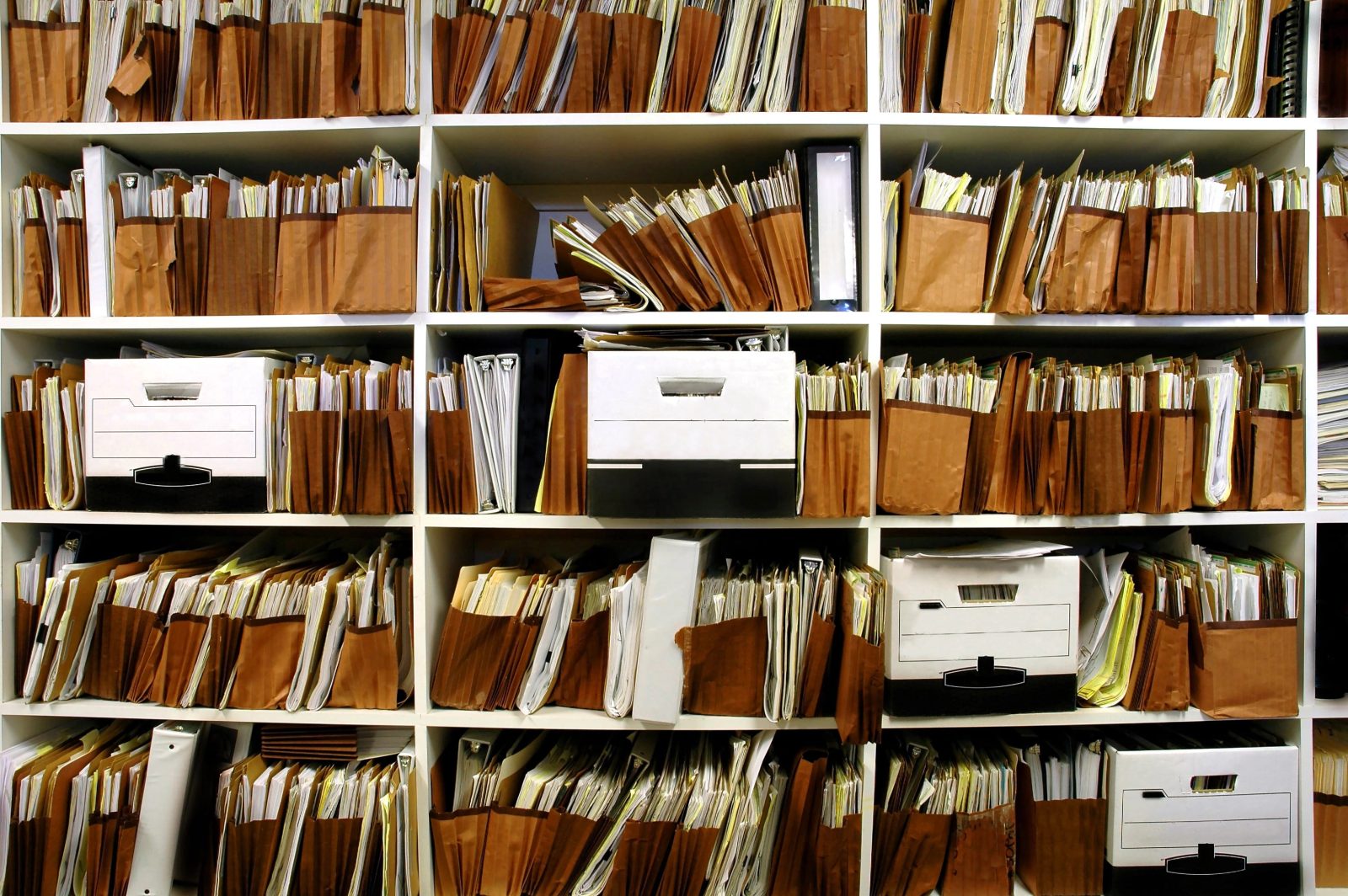
Old paperwork can quietly become a liability. Outdated files, forgotten folders, and stacked boxes of paper may seem harmless, but they often contain sensitive information that should never end up in the trash. A proper office cleanout is not just about creating space. It is about protecting your business from unnecessary risk.
Below is a practical checklist to help your business start the year organized, secure, and confident that sensitive documents are handled the right way.
Why the New Year Is the Ideal Time for an Office Cleanout
January is one of the best times to tackle an office cleanout. Many businesses are coming off year-end reporting, audits, or staff changes. It is also when companies naturally review processes, storage needs, and compliance practices.
Cleaning out old files at the start of the year helps prevent paper from piling up again. It also gives businesses a chance to align their document disposal practices with record retention requirements. Addressing these issues early avoids rushed decisions later when time and attention are limited.
Step 1: Identify What Can Be Safely Discarded
Before anything is thrown away, businesses should take time to review what documents are no longer needed. This often starts with understanding retention policies, even if they are informal.
Common examples of documents that may no longer need to be kept include outdated financial records, closed client files, old vendor paperwork, and employee records that are past required retention periods. The key is not guessing. When in doubt, documents should be treated as sensitive until reviewed.
Separating general office waste from potentially sensitive material at the beginning of the cleanout makes the rest of the process far easier and far safer.
Step 2: Audit Desks, Filing Cabinets, and Shared Spaces
Sensitive documents are not always stored where businesses expect them to be. Employee desks, shared filing cabinets, printer rooms, and storage closets often contain paperwork that never made it back to a central filing system.
Desk drawers frequently hold printed emails, handwritten notes, and temporary copies of documents that were meant to be discarded long ago. Shared spaces like copy rooms are another common problem area, where paperwork can be forgotten or misplaced.
A successful cleanout includes these spaces and ensures employees do not dispose of sensitive documents on their own without guidance.
Step 3: Understand What Should Always Be Shredded
Certain documents should never be placed in regular trash or recycling bins. Any paperwork that contains personal, financial, or confidential business information should be securely destroyed.
This includes employee records, customer information, financial statements, tax documents, contracts, and internal reports. Even older documents can still expose a business to data breaches, identity theft, or compliance issues if disposed of improperly.
Simply tearing paper or using office trash bins is not enough to protect sensitive information.
Step 4: Schedule Professional Shredding as Part of the Cleanout
Office cleanouts often produce large volumes of sensitive paper all at once. Relying on small office shredders can slow the process and lead to inconsistent disposal practices.
Professional shredding services provide a secure and efficient way to handle document destruction. With scheduled shredding, businesses maintain a clear chain of custody and receive confirmation that materials were destroyed properly.
Timing matters. Shredding should be scheduled immediately after the cleanout, not weeks later. Leaving sensitive documents sitting in boxes or bins creates unnecessary risk.
Step 5: Make Secure Cleanouts Part of Your Annual Routine
A new year cleanout should not be a one-time effort. Businesses that plan regular cleanouts stay more organized and reduce long-term storage risks.
Assigning responsibility to an office manager or administrative team helps ensure the process stays consistent. When shredding is built into the cleanout routine, employees know exactly how sensitive documents should be handled.
Start the Year Organized and Secure
A clean office supports productivity, but a secure office protects your business. Starting the year with an organized cleanout is an opportunity to eliminate clutter and remove hidden risks at the same time.
By identifying sensitive documents, auditing overlooked areas, and scheduling professional shredding, businesses can move into the new year with confidence. When document destruction is handled properly, office cleanouts become a smart security decision, not just a housekeeping task.
If your business is planning a new year office cleanout, working with a secure shredding provider can help ensure the process is simple, compliant, and worry-free.