


When businesses think about data security, the focus is almost always digital. Firewalls, passwords, and backups get attention, while paper records are often forgotten. Over time, sensitive documents quietly accumulate in storage rooms, filing cabinets, and back offices, creating risks many companies do not realize they have.
Just because paperwork is out of sight does not mean it is out of danger. Old documents can expose businesses to data breaches, compliance issues, and reputational damage if they are not handled properly.
Why Forgotten Documents Are a Serious Security Problem
Paper records are easy to overlook, especially when they are no longer part of daily operations. Storage areas often go years without being reviewed, and employees may not even know what is being kept or why.
Unlike digital systems, paper documents rarely have access controls or audit trails. Anyone who can access a storage room or filing cabinet may also have access to sensitive information. Age does not reduce sensitivity. Personal data, financial records, and confidential business information remain valuable long after they are created.
When documents are forgotten, they are more likely to be mishandled during cleanouts, office moves, or staff changes.
Common Places Sensitive Documents Are Overlooked
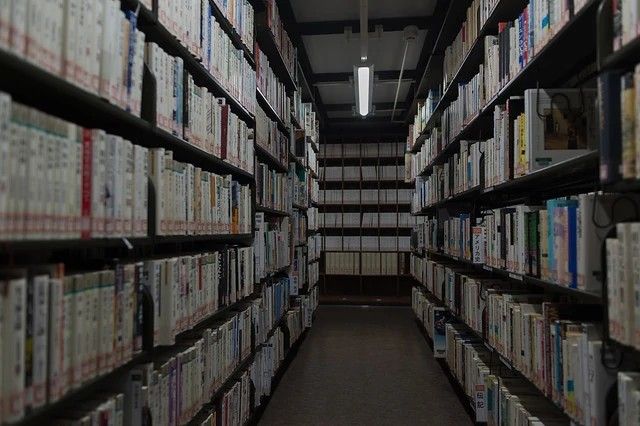
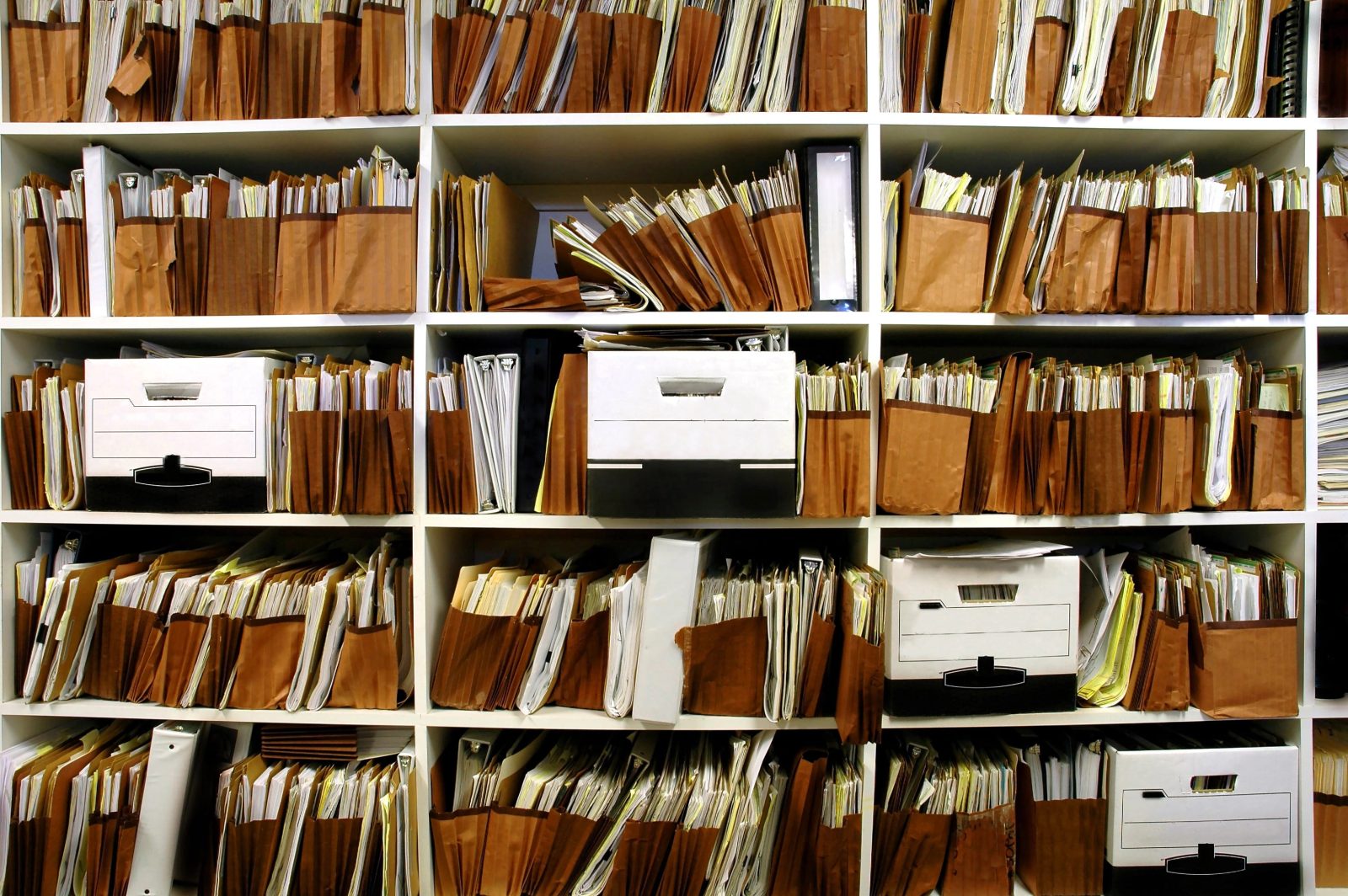
Hidden data risks tend to gather in areas that fall outside normal workflows. Storage rooms and supply closets often contain boxes of old files that were never revisited. Filing cabinets that are no longer in regular use may still hold confidential records.
Back offices, basements, and spare rooms are also common problem areas, especially after renovations or reorganizations. Boxes left behind during office moves are another frequent source of forgotten paperwork.
These spaces are rarely supervised, making them easy targets for accidental exposure or improper disposal.
The Types of Documents Commonly Found During Office Cleanouts
Office cleanouts often reveal large volumes of sensitive material that businesses assumed were already gone. This includes old customer or client records, former employee files, financial and tax documents, contracts, and legal paperwork.
Even if these documents are no longer operationally useful, they still carry legal and privacy obligations. Improper disposal can lead to data breaches, regulatory penalties, and loss of trust.
Finding these documents late in the process often leads to rushed decisions, which increases the likelihood of mistakes.
Why “We’ll Get to It Later” Increases Risk
Postponing cleanouts is one of the biggest reasons paper risks grow over time. As boxes pile up, the task becomes more intimidating and easier to avoid.
Delays also increase the number of people who may access old documents. Employees change roles, new staff are hired, and storage areas are repurposed. Each transition increases the chance that sensitive information is exposed or discarded incorrectly.
Waiting often turns a manageable cleanout into a major security concern.
How to Reduce Hidden Data Risks During Office Cleanouts
Reducing hidden data risks starts with visibility. Businesses should include all storage areas and filing locations in their cleanout plans, not just desks and active files.
Conducting an inventory of storage spaces helps identify what exists and who is responsible for it. Assigning ownership to a specific role ensures accountability. Documents should be clearly separated into categories such as keep, archive, or shred.
Scheduling shredding immediately after review prevents sensitive materials from lingering and reduces handling errors.
Why Professional Shredding Is Essential for Eliminating Hidden Risks
Storage cleanouts often involve large volumes of paper accumulated over many years. Attempting to handle this internally can lead to delays and inconsistent disposal practices.
Professional shredding services are designed to handle bulk document destruction securely and efficiently. They reduce internal handling, minimize mistakes, and provide confirmation that materials were destroyed properly.
For many businesses, scheduling annual or semi-annual shredding alongside storage reviews is the most effective way to eliminate long-term paper risks.
If It Exists, It Is a Risk Until It Is Properly Destroyed
Forgotten documents are one of the easiest security risks to overlook and one of the simplest to fix. Office cleanouts should extend beyond visible spaces and include every area where paper records may exist.
By identifying hidden storage locations, reviewing old documents, and using secure shredding services, businesses can eliminate uncertainty and protect sensitive information. A clean office is important, but a secure office is essential.